
Commercial vs Residential Electrician in Box Hill - What’s the Difference?


Residential electrician or commercial electrician?
Yes, there are two different types, and knowing this difference plays a very crucial role. Usually, when a light stops working, or there’s a sudden power cut, we don’t think too much.
We simply say, “Let’s call an electrician.” Right? And that reaction is completely normal. But choosing the right electrician is just as important as calling one.
Not every electrician can work everywhere. The electrical needs of a home are very different from those of a shop, office, or large building. If you call the wrong type of electrician, the work may take longer, cost more, or not be done properly. That’s why it’s important to understand the difference. Let’s understand the difference between residential and commercial electricians in a clear and simple way.
Residential Electrician: Fix, Install, and Protect Your Home
A residential electrician works mainly in homes, apartments, and small residential buildings. Their job is to make sure household electrical systems are safe, reliable, and working properly. Most residential electricians handle everyday electrical needs that homeowners face.
Common Residential Electrical Services
A residential electrician usually helps with:
Power point and light installation
Ceiling fans and exhaust fans
Switchboard upgrades for homes
Fault finding and repairs
Smoke alarm installation
Home rewiring and renovations
Safety inspections
They are trained to work with smaller electrical systems and understand how Australian homes are wired. Their work focuses strongly on safety, especially where families and children are involved. In short, if the job is inside a home, a residential electrician is usually the right choice.
Commercial Electrician: Safe and Reliable Business Power
A commercial electrician works in business and industrial settings. This includes offices, shops, schools, warehouses, restaurants, and large apartment complexes. Commercial electrical systems are more complex and powerful than home systems. They must support many people, machines, and long operating hours.
Common Commercial Electrical Services
A commercial electrician usually handles:
Electrical fit-outs for offices and shops
Commercial lighting and emergency lighting
Three-phase power systems
Data and communication cabling
Electrical maintenance for businesses
Compliance testing and reporting
Large-scale fault repairs
These electricians understand building codes, workplace safety rules, and business compliance standards across Australia.
Key Differences Between Commercial and Residential Electricians
Now, let’s understand the key difference between the two. Yes, both are fully trained professionals, but their work environments and skills are different. Let’s understand this in detail.
Training and Certification
Residential and commercial electricians start with the same basic training. However, commercial buildings are more complex, so commercial electricians receive extra training. In some places, like large businesses or government buildings, special licences or certifications may also be needed. So, it is always beneficial to choose a licensed electrician in Box Hill for your electrical project.
Project Scale and Complexity
Homes have smaller electrical systems and use lower voltage. As buildings get bigger, their electrical systems become more complex. Many commercial buildings also need higher voltage to run their work properly. This means residential and commercial electricians face different levels of complexity in their jobs.
Safety and Compliance
Safety in homes is mainly about keeping families safe. In commercial buildings, electricians also have to follow strict workplace rules and legal standards. This means commercial work often involves extra checks and inspections to make sure everything is done correctly.
Types of Electrical Systems
Because home electrical systems are simpler, residential electricians usually work with single-phase systems. Commercial buildings need more power and have electricity spread across bigger areas. Electricians in these places often work with three-phase systems to handle the higher loads.
Cost Differences You Should Know About
Residential electrical work is usually more affordable because:
Systems are smaller
Jobs take less time
Less equipment is required
Commercial electrical work can cost more because:
Systems are larger and more complex
Work may happen after hours
Extra testing and reporting may be required
While cost matters, choosing the right type of electrician helps avoid future problems and expensive repairs.
How to Choose the Right Electrician in Box Hill
Now that you know how the work and costs differ, it’s easier to decide which electrician is right for your project. Before deciding, ask yourself these questions:
Is this job for a home or a business?
Does the electrician have experience with this type of work?
Are they fully licensed and insured in Australia?
Do they understand local safety and compliance rules?
Remember, choosing the right electrician from the start saves time, money, and stress.
Conclusion
Understanding the difference between commercial and residential electricians helps you make smarter decisions for your property. Residential electricians focus on home safety and everyday electrical needs, while commercial electricians handle complex systems that keep businesses running smoothly.
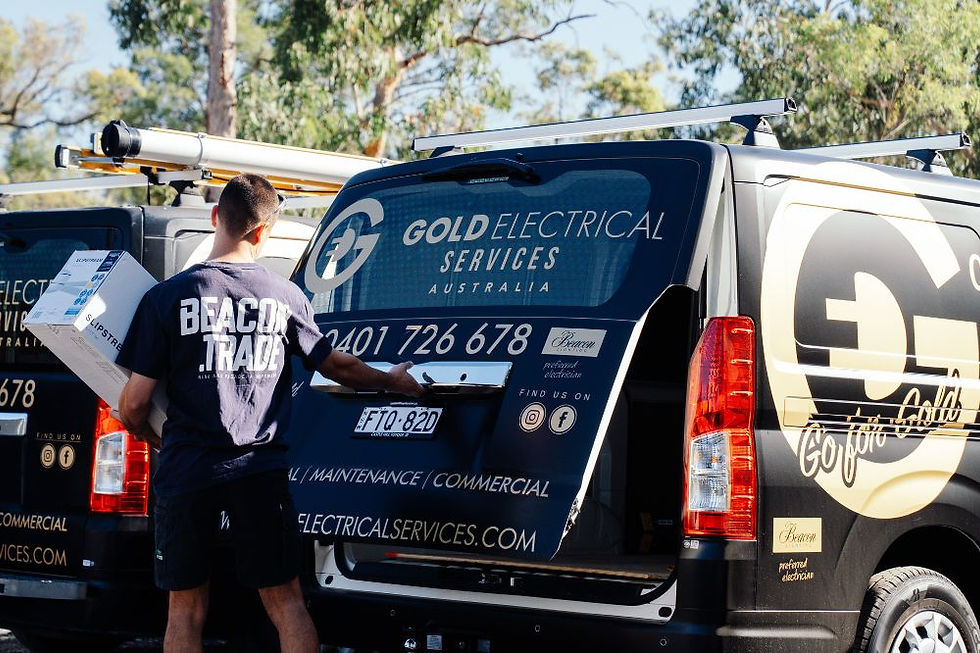
At Gold Electrical Services, our electricians are experienced in handling both residential and commercial projects. Our team focuses on safety, quality workmanship, and clear communication, giving you confidence that the job will be done right the first time. Contact us today and let our licensed experts handle your home or business safely and efficiently.


Comments